

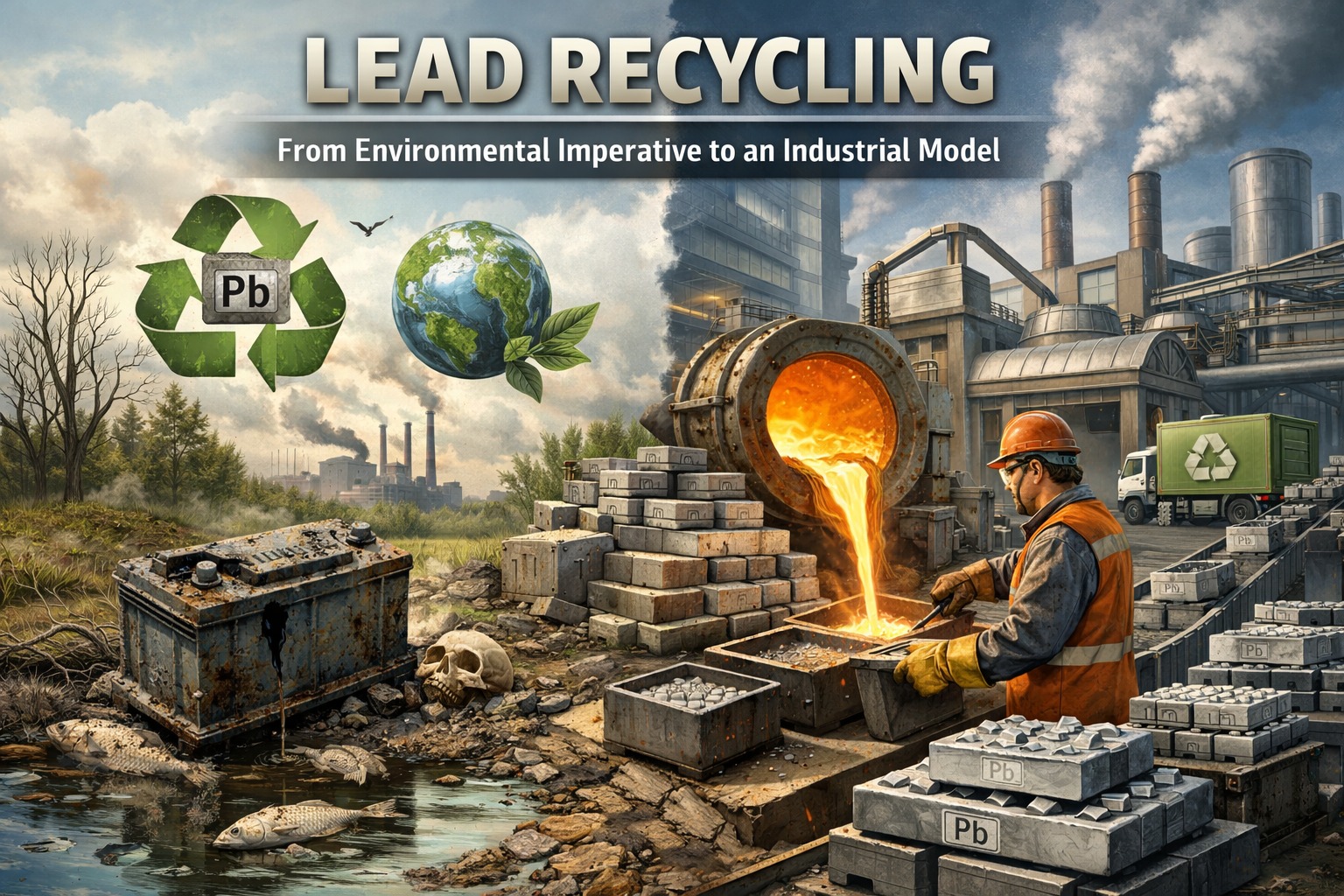
Lead boasts one of the highest recycling rates of any metal in the world. That impressive statistic isn’t just about economics—it’s also a necessity for environmental and public health. Unlike many materials, lead can be recycled over and over again without degrading in quality. Think of it as a truly permanent material in our industrial cycle. By recovering lead—mainly from used lead-acid batteries, but also from cables, sheet metal, and other industrial scrap—we dramatically reduce the need to mine new ore. This process conserves natural resources, slashes energy use by up to 60% compared to primary production, and stops toxic lead from seeping into landfills and contaminating ecosystems. In a world striving for circular economies, lead recycling stands as a proven and highly efficient model of sustainability.
The process itself is both advanced and efficient. It typically starts with collecting and safely breaking down lead-acid batteries to separate the plastic, acid, and lead components. The lead paste and grids are then smelted in high-temperature furnaces—often after a desulfurization step—to produce pure, reusable lead. Modern smelters use sophisticated emission control systems like baghouse filters and scrubbers to capture particulates and gases, ensuring the process meets strict environmental standards. The reclaimed lead is then refined and alloyed to meet specific industry needs, most commonly to manufacture new batteries. This closed-loop system doesn’t just sustain a vital industry; it also plays a key role in preventing lead pollution—a major environmental and health hazard. It clearly shows that responsible recycling is essential for building a safer, more sustainable future.
 Previous Post
 Next Post