Let’s talk about the metals that don’t get all the glory. While iron and steel dominate the recycling conversation, there’s a whole other world of metals—non-ferrous metals—that are quietly powering our green transition. We’re talking about aluminum, copper, lead, zinc, nickel, and the precious metals like gold and silver hidden in our old phones. These metals are the unsung heroes of modern life, and recovering them isn’t just smart business; it’s an absolute necessity for our planet.
Think about it for a second. That soda can? Making new aluminum from recycled material uses about 95% less energy than digging it out of the ground. The copper wiring in your walls? Recycling it saves a massive amount of energy and prevents the landscape-scarring effects of open-pit mining. These metals don’t degrade. An aluminum can be recycled infinitely, a copper pipe reborn forever. Every time we throw an electronic device in the trash, we’re literally burying a tiny, concentrated mine of valuable and often critical materials. We’re not just wasting resources; we’re creating new environmental problems while solving none.
So, Why Does This Matter More Than Ever?
The importance of non-ferrous recycling boils down to three undeniable truths:
- The Energy Imperative: The energy savings are so staggering they almost sound like a typo. For metals like aluminum and copper, the recycling process requires only a tiny fraction of the energy needed for primary production. In a world focused on cutting carbon emissions, this is low-hanging fruit we can’t afford to ignore.
- The Security of Supply: Our tech-driven world is hungry for these metals. From electric car batteries to wind turbines and solar panels, the demand is skyrocketing. Mines are finite, geopolitically tense, and slow to open. A robust recycling stream provides a domestic, stable, and predictable supply right here at home, making our economies more resilient.
- The Environmental Lifeline: Mining is disruptive. It affects local ecosystems, water sources, and communities. By keeping these metals in a continuous loop, we drastically reduce the need for new extraction. We prevent toxic elements from leaching out of landfills and turn what was once considered “waste” into the cornerstone of a circular economy.
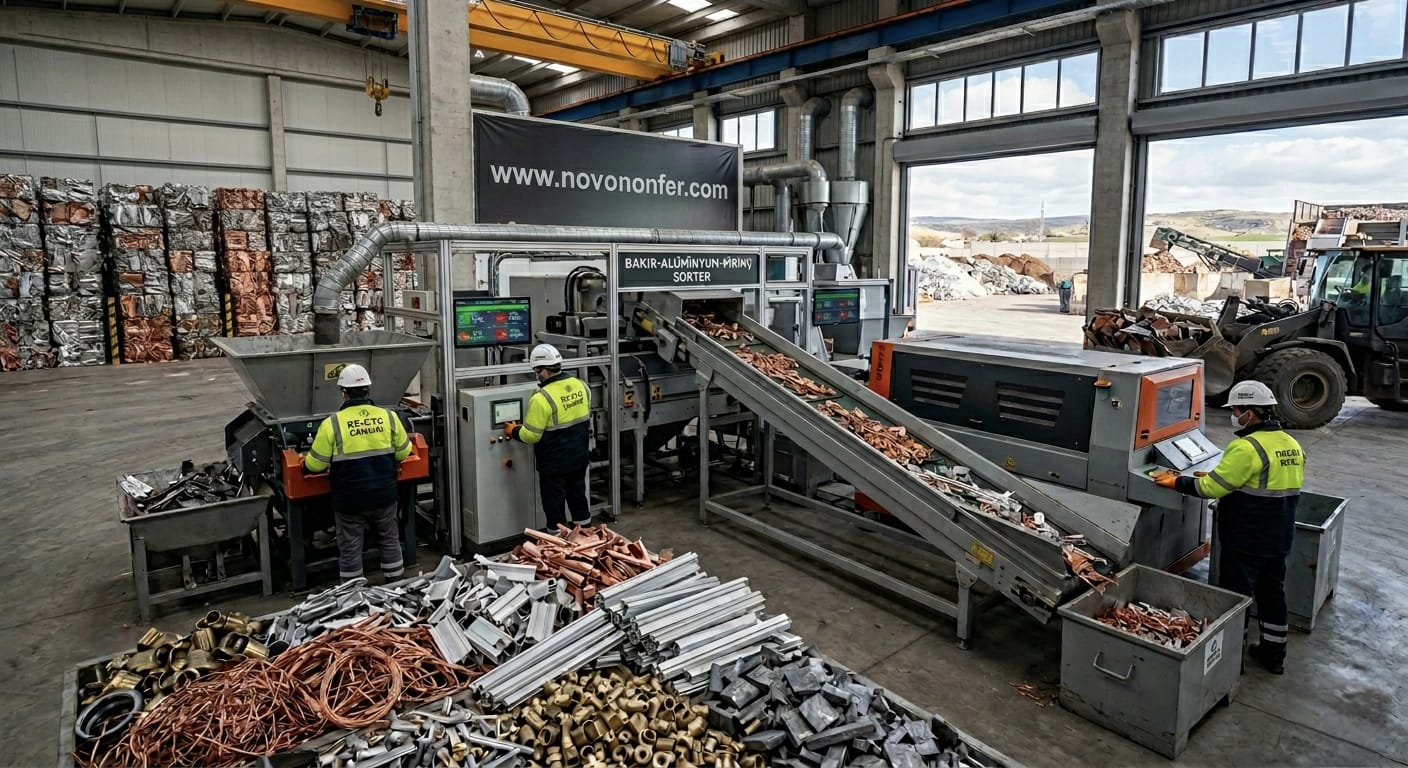
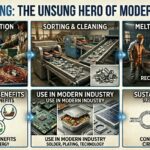
The process itself is a feat of modern engineering. It starts with sophisticated sorting—using magnets (to remove ferrous metals), eddy currents, lasers, and even AI-powered scanners to separate a shredded stream of metal into its pure components. Then comes the real alchemy: melting, refining, and alloying to bring these metals back to life, ready to serve another lifetime as a bicycle frame, a new smartphone component, or wiring for a clean energy grid.
The bottom line is this: Recycling non-ferrous metals is no longer just an environmental slogan. It’s a critical pillar of industrial strategy, economic security, and genuine sustainability. It’s about being resourceful with our resources. The next time you hold an aluminum can or replace an old laptop, remember—it’s not the end of its life. It’s just the beginning of its next one.
 Previous Post
 Next Post